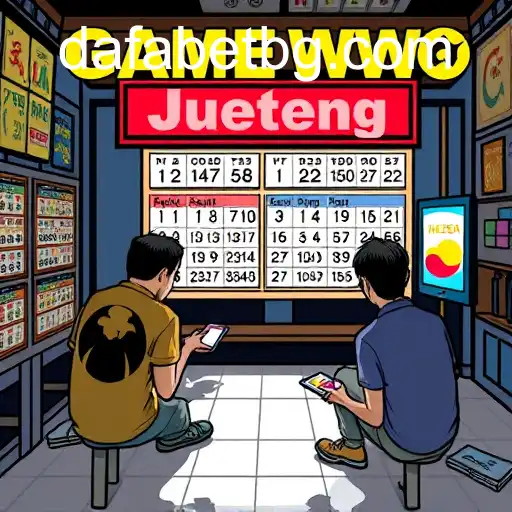
Understanding Jueteng: An In-Depth Look into the Gamewww Phenomenon
Introduction to Jueteng
Jueteng is a popular numbers game deeply rooted in Filipino culture. Often cited as an illegal activity, this form of gambling has persisted through the decades, intertwining with the country's socio-political dynamics. The term "gamewww" might seem obscure at first, but it encapsulates the digital evolution of jueteng, as it penetrates online terrains and adapts to modern-day technological advances.
The Traditional Roots of Jueteng
The game has its origins in the colonial period, believed to have been introduced by Chinese traders. Jueteng became particularly prominent across the archipelago during the Spanish occupation. Traditionally, the game is conducted by drawing two numbers from a set of 1 to 37. Bettors choose their number combinations, and winnings depend on correctly guessing the drawn numbers. Despite its simplicity, jueteng operates in complex networks, often linked with local operators known as "cabos" who manage sales agents or "kubradors" collecting bets from gamblers.
Jueteng and Socio-Political Dynamics
The persistence of jueteng is as much about entertainment as it is about economics. In many provinces, this game provides a lifeline for families facing poverty. Unlike organized corporate lotteries, jueteng has a lower entry point, allowing even the poorest citizens to gamble in hopes of achieving a rare windfall. This economic dimension is often entwined with political overtones. Allegations of officials turning a blind eye in exchange for political funding, or even direct involvement, have cropped up numerous times. Political patrons may rely on jueteng operators for electoral support, creating a tacit exchange that keeps this underground economy thriving.
The Evolution into Digital: Enter Gamewww
With the advancement of technology, jueteng has experienced a digital transformation that can be summarized by the keyword "gamewww." This development refers to the application of worldwide web technologies to facilitate the game's proliferation online. As many aspects of everyday life migrate to digital platforms, jueteng follows suit, leveraging the anonymity and accessibility of the internet to conduct its operations.
Digital platforms remove significant barriers, allowing operators to reach a wider audience without the geographic limitations of traditional operations. From simple SMS texts to sophisticated apps and websites, the gamewww transition enables a diverse range of participation options for its players. More importantly, it adds layers of difficulty for law enforcement agencies seeking to curb its prevalence.
Challenges Posed by Gamewww
The ascendancy of gamewww poses substantial challenges to government oversight concerning regulation and enforcement. Unlike conventional jueteng activities that can be regulated through on-ground policing, digital operations fall into a legal gray area, further complicated by questions of jurisdiction and internet freedom.
Efforts to control jueteng-like activities online face significant hurdles, such as the identification of operators, tracing digital trails across international boundaries, and the rapid creation of mirror sites that emulate the betting platforms after takedowns. As a result, traditional approaches have proven less effective, necessitating innovations in cyber policing and international cooperation among law enforcement agencies.
Implications for Society
Despite its frowned-upon status, jueteng endures as an element of Filipino culture, indicative of broader social conditions. By understanding its foundations, from gamewww to the socioeconomic undercurrents it represents, stakeholders can develop better strategies to address the underlying issues driving its popularity, including endemic poverty and inadequate legal gambling options.
The transition to online platforms could potentially reshape the cultural perceptions of jueteng, influencing younger generations and altering traditional practices. As digital divides close and technology becomes more ingrained in everyday life, observers note a discernible shift in how locals perceive and engage with gambling activities.
Conclusion
Jueteng, through its metamorphosis into the digital realm denoted by "gamewww," continues to challenge the status quo. Its existence poses questions about legality, social justice, and the balance between cultural nuances and regulatory imperatives. Addressing these multifaceted issues will require a concerted effort from policy makers, communities, and technology stakeholders for a future where the lure of jueteng coexists with new economic opportunities and legal frameworks.